Potluck or Shared Menu? Two Ways to Plan a Neighbourhood Meal
Potluck or shared menu planning helps you choose who decides the dishes, clarify what guests should expect, and make a neighborhood meal easier to join.

Potluck or shared menu planning starts with a practical choice: do you want guests to select dishes, or would you rather decide the meal together in advance? That choice shapes what people bring, what the host needs to coordinate, and how clearly the invitation must explain the arrangement.
A potluck leaves most dish choices to guests, within any boundaries the host sets. A shared menu is planned as a whole, with organizers deciding what will be served and arranging who supplies each part. Either can suit a neighborhood gathering; the right fit depends on the group, the venue, and how much menu coordination feels manageable.
Where decisions sit
At a potluck, guests choose what to bring. That freedom can make the meal personal, but it may also produce several similar dishes or leave a gap in the menu. Broad categories such as main dish, side, or dessert can help balance the table without assigning exact recipes.
With a shared menu, organizers choose the dishes first and identify which items they will provide and which guests may contribute. Guests have less influence over the overall meal, but they can see what is needed before deciding whether to help.
Think of the difference as individual choices gathered into a meal versus a meal planned first and divided into contributions. In either format, state plainly that attendance does not depend on bringing food.
What guests need to know
A useful invitation explains what is planned, what guests may bring, and what the venue can support. Mention whether food should arrive ready to serve, whether plates and serving utensils are available, and whether there is a refrigerator, kitchen, or way to heat food.
For a potluck, say whether dish choices are open or organized by category. For a shared menu, list each planned item and identify who is providing it. This makes gaps visible and prevents guests from preparing something the organizers already have covered.
Say you are hosting a neighborhood supper in a library meeting room with tables and no kitchen. You decide on a ready-to-serve menu of hummus, pita, cut vegetables, and fruit; the organizers will bring hummus and vegetables, while two guests may each bring one of the remaining items. The invitation says there is no way to heat food and that bringing anything is optional, so guests can judge whether the meal suits them before they arrive.
Choosing a format
Use the gathering’s needs to make the decision rather than assuming one format is always more welcoming. Consider how much variety you want, what the venue permits, and whether guests would prefer choosing freely or receiving a specific request.
- Check whether the group wants freedom to choose dishes; if so, use a potluck, and if not, plan a shared menu.
- Check whether the venue has a kitchen or equipment for hot food; if it does, include suitable dishes, and if it does not, choose food that can be served as it arrives.
- Check whether the meal needs particular dishes to feel complete; if it does, use a shared menu with named items, and if not, let potluck guests choose from broad categories.
- Check whether guests can easily see what others plan to bring; if they can, use a shared sign-up, and if they cannot, have organizers cover the essential dishes.
- Check whether guests have asked for a clear, specific contribution; if so, offer a short list of optional items, and if not, keep choices open or ask for no food contribution.
- Check whether the menu includes ingredients that may concern guests; if it does, label dishes and invite private questions, and if needs remain unclear, ask the guest directly what arrangement would help.
Imagine a block gathering in a park shelter where organizers have a cooler but no cooking equipment. They choose a shared menu of sandwiches, apples, and water; the organizers provide sandwiches and water, and invite one person to bring apples if they wish. The resulting plan has each item assigned once, works without reheating, and does not make attendance depend on a contribution.
Questions about meal planning?
When does a potluck work well?
A potluck works well when guests enjoy choosing dishes and the host can accommodate some variety. A simple sign-up sheet can make duplicate contributions less likely without dictating recipes.
When is a shared menu a better fit?
A shared menu suits gatherings where the venue, meal theme, or guest preferences call for a coordinated set of dishes. It also helps when guests would rather choose from a specific list than invent a contribution.
Can guests attend without bringing food?
Yes. Say directly that food contributions are optional, and avoid wording that makes bringing a dish sound like the price of admission. If useful, let guests know they can simply attend without taking on another task.
How should food needs be discussed?
Invite guests to share relevant dietary needs privately and label dishes with ingredient information when possible. For allergies or other health concerns, ask the person what information and arrangements they need rather than making assumptions.
Invitations that clarify
Call the gathering a potluck only if guests have meaningful room to choose dishes. If organizers have selected the meal and assigned its components, describe it as a shared menu so the invitation matches the actual plan.
A potluck invitation might read: “Bring a ready-to-serve dish if you’d like; add your name beside a broad category on the sign-up sheet.” For a shared menu, try: “We’re serving sandwiches, apples, and water. The organizers are providing sandwiches and water; apples are an optional contribution. The shelter has no kitchen or way to heat food.”
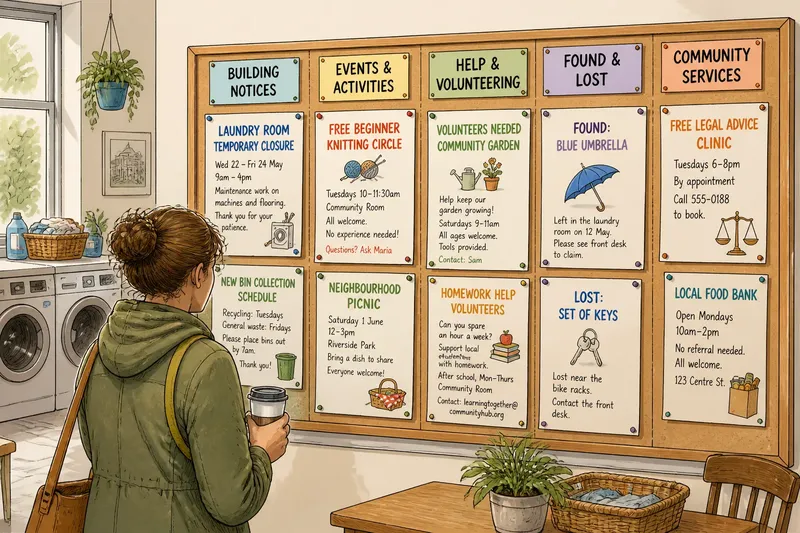
If some neighbors do not use the main group chat, post the same information on a printed notice at a familiar local venue. Keep the details consistent so everyone can make the same decision about attending or contributing.
Adjusting the plan
A guest may cancel a contribution, or a potluck may include more of one kind of dish than expected. Hosts can serve what is available, change the order of dishes, or make a simple substitution without treating the variation as anyone’s failure.
After the gathering, notice what guests had to ask before they understood the plan. If several people were unsure whether food was required, make that point more prominent next time; if the sign-up caused confusion, simplify the categories or choose a shared menu.
Potluck or shared menu planning is a decision about who shapes the meal and how much coordination the host wants to handle. State that arrangement clearly, name what the venue can support, and make the food contribution optional; those details help neighbors decide how to join.